
Spending remains the main driver of growth
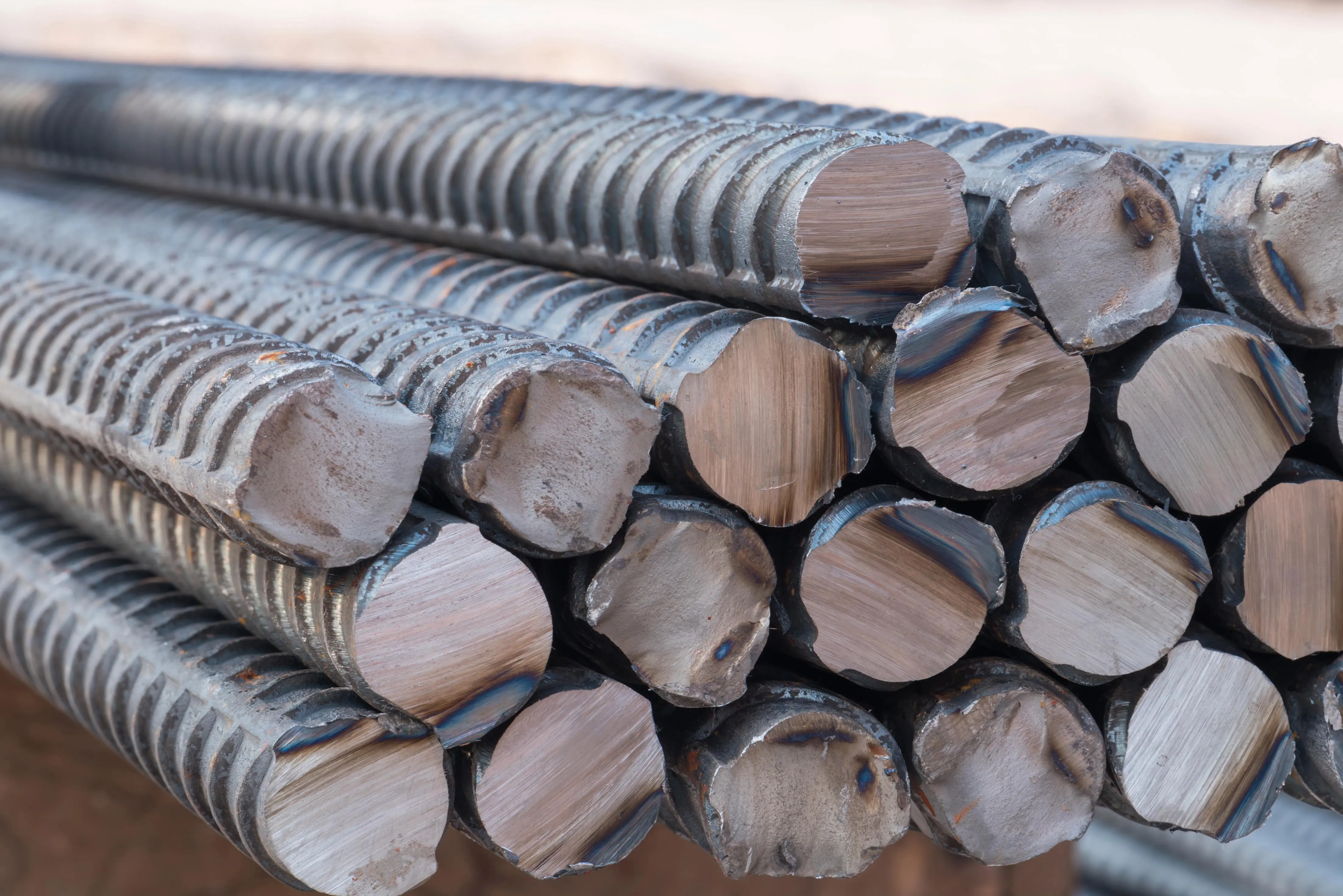
The global rebar market showed mostly upward trends in April, though the pace of growth varied by region. The strongest increase was observed in Europe, where prices rose by 7–10%. In China, the increase exceeded 5%. In Turkey and the United States, the market remained virtually unchanged and fluctuated within a narrow range.
Turkey
In April 2026, the Turkish rebar market remained stable in terms of prices but was under pressure due to the gap between rising costs and insufficient demand. Prices for the period from April 3 to May 8, 2026, fell by 0.1% to $597.5/t FOB. At the same time, the average market price in March was $572.1/t, and in April it was $596.8/t (+8.5%), indicating stability in April trading.
At the beginning of the month, prices were supported by rising scrap prices and expectations of higher energy tariffs. However, as early as the first weeks, demand began to weaken both in the domestic market and for exports. Buyers were not willing to pay more than $600/t FOB. Activity toward the EU and the Balkans gradually declined.
In mid-April, producers began to lose margins. They were unable to pass on rising costs to customers, forcing them to offer discounts. By the end of the month, prices had stabilized near $590/t FOB.
In the short term, the market will remain under pressure. High costs will prevent a decline, but weak demand will limit growth.
EU
In the EU, rebar prices rose at the fastest rate among key regions over the past month—by 10.6% in Italy, to €680/t ex-works, and by 6.8% in Northern Europe, to €705/t ex-works. Average prices in March for Italian products were €576.3/t, and in April – €658.8/t, while for Northern Europe – €643.8/t and €670/t, respectively.
Costs were the main driver of growth. Rising prices for energy, scrap, and logistics forced producers to raise prices. Import restrictions and regulatory factors, particularly the CBAM and new safeguard measures, provided additional support.
In Italy, mills were the most aggressive. They repeatedly halted sales and pushed for higher price levels. At the same time, buyers sharply reduced their purchases. Some distributors operated from stock, while construction companies postponed project implementation. In Northern Europe, the market appeared more balanced, but prices were also rising. Supply disruptions for certain product types served as an additional factor.
In the near term, prices may stabilize. Weak demand and buyer resistance are limiting further growth.
United States
As of May 8, rebar prices in the U.S. market reached $1,025/ton ex-works, up 1.1% from April 3. Meanwhile, the average price in March was $1,031/ton, and in April it was $1,025/ton.
The market was balanced in April. Demand remained uneven, and the start of the construction season was weaker than expected. This led to a slight decline in prices in the middle of the month. Available spot volumes, new capacity, and imports created additional pressure.
At the same time, costs remained high. Energy, logistics, and import prices limited the scope for price reductions. Infrastructure projects supported the market, although residential construction remained weak.
By the end of April, the situation had stabilized. A strengthening scrap market and reduced import competition created the basis for modest growth.
In the short term, a moderate price increase is possible, but it will depend on actual demand.
China
In China, rebar prices rose by 5.2% in April to $471.9/t FOB. The market showed moderate growth, driven primarily by rising costs.
At the beginning of the month, prices remained stable due to weak demand following a disappointing March. At the same time, supply increased as producers resumed output and partially redirected exports to the domestic market.
In mid-April, prices began to rise. This was due to higher raw material costs, declining inventories, and activity in the futures market. At the end of the month, expectations of a pickup in demand ahead of the holidays provided additional support.
After the holidays, the growth slowed. Demand remained weak, and buyers acted cautiously.
The market is expected to stabilize in the near future. Costs will support prices, but high production volumes will limit their growth.
Related Posts
- ▶ Pakistan Links Steel Industry Sales Tax to Electricity Bills
- ▶ Saudi Arabia sets five-year AD duties on Indian cast iron pipes and hollow tubes
- ▶ Germany Steel Product Sales Up 7.9% in June 2026
- ▶ Global Steel Production Up 1.7% YoY in June 2026
- ▶ Ansteel Raises HRC Prices by $7/t for August in China
- ▶ Traders are redirecting cancelled steel shipments due to new EU quotas
- ▶ South Korea Expands Support for Steel Industry
- ▶ South Korea Boosts Steel Demand Amid EU Safeguards
- ▶ Nucor Raises US Hot-Rolled Coil Price to $1,130/st
- ▶ European HRC Prices Drop 2-4% in May, US & China Rise
Online Message


Chat Online
By clicking 'Allow All', you agree to the storage of cookies on your device to enhance site navigation, analyze site usage and assist with our marketing efforts.
