
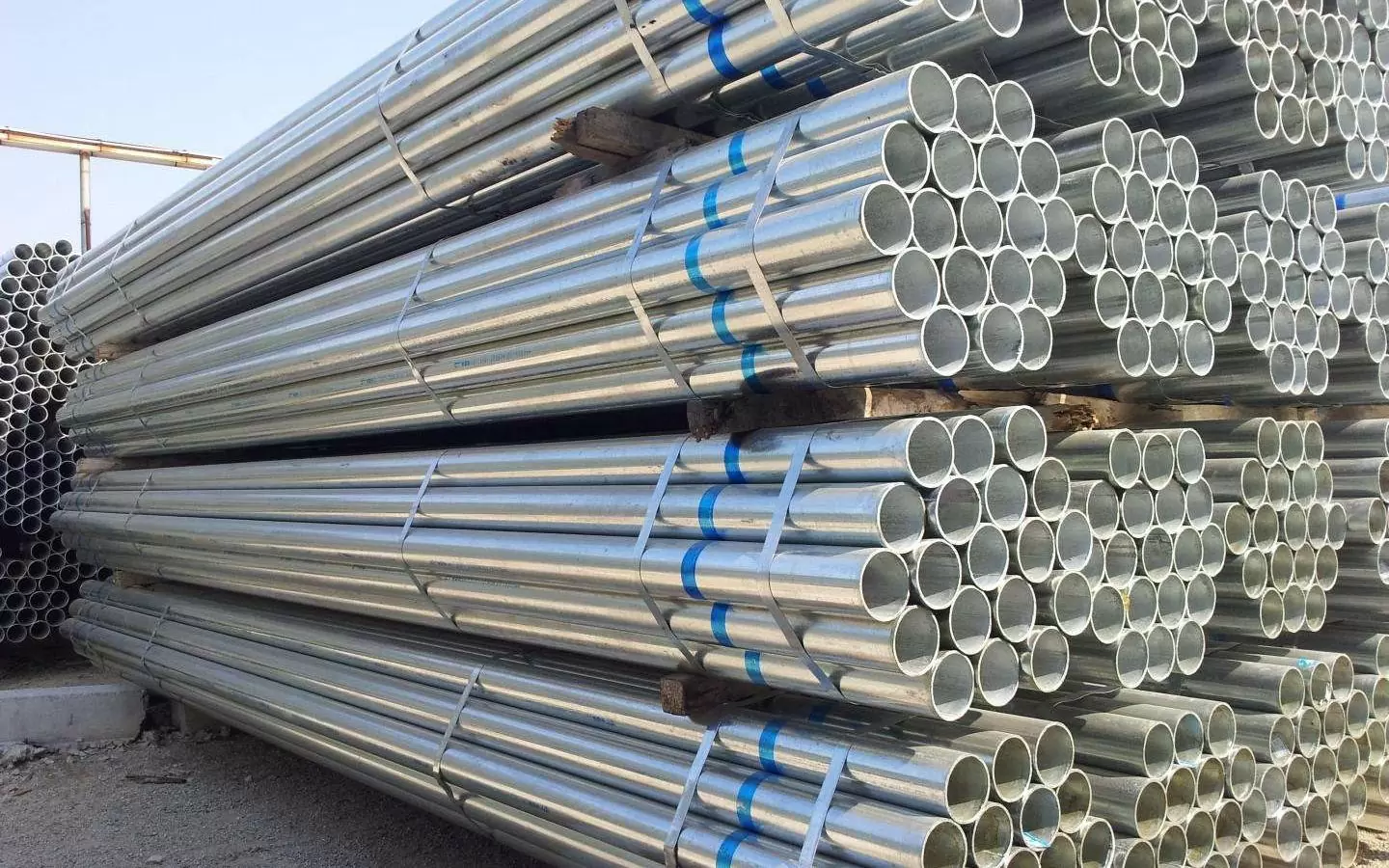
What is galvanizing?
Galvanizing is a manufacturing process where a zinc coating is applied to steel or iron to provide protection and prevent rust. There are several galvanizing processes available, but the most common and used method is called hot dip galvanizing.
Galvanized steel is one of the most popular types of steel because it offers longer durability, the strength and formability of steel, and the corrosion protection of a zinc-iron coating. Zinc protects the base metal by acting as a barrier to corrosive elements, and the sacrificial nature of the coating results in a long-lasting and high-quality steel product.
This versatility makes it suitable for a variety of projects and industries, including agriculture, solar, automotive, construction and more. Below, we aim to provide a comprehensive overview of how galvanized steel is processed, the different galvanizing methods, their benefits and how they are used in these different industries.
The steps of the galvanizing process are as follows:
• Steel is cleaned in degreasing solution.
• After cleaning, the steel is pickled in a vat containing dilute hot sulfuric acid.
• The steel is then placed in an aqueous solution (usually zinc ammonium chloride) to flux.
• After adding the flux, the steel is galvanized by immersing it in a bucket of molten zinc.
• Then, check the steel for consistency and complete coating.
What are the advantages of galvanized steel?
Many different industries use galvanized steel primarily because it provides the industry with a wide range of advantages, including:
Initial cost is lower compared to most treated steels. Additionally, galvanized steel is delivered ready for immediate use. It does not require additional surface preparation, inspection, painting/coating, etc., resulting in additional cost savings for the company.
Longer life. With galvanizing, a piece of industrial steel can be expected to last over 50 years in normal conditions and over 20 years in severe water exposure. No maintenance required. Improved durability of finished steel products also improves product reliability.
Sacrificial anodes ensure that any damaged steel is protected by the surrounding zinc coating. It doesn't matter if the section steel is completely exposed; the zinc will still corrode first. The coating will preferentially corrode the steel, providing sacrificial protection to the damaged area.
Anti-rust properties of galvanized layer. The iron in steel is very susceptible to rust, but the addition of zinc acts as a protective buffer between the steel and any moisture or oxygen. Galvanized steel is highly protective, including sharp corners and grooves that other coatings cannot protect, making it less susceptible to damage.
Different galvanizing methods
As mentioned above, there are several different processes for galvanizing steel.
Hot dip Galvanized
The primary method of galvanizing is hot dip galvanizing. The process is very similar to what the name implies! In this method, steel or iron is immersed in a molten zinc bath maintained at around 860°F (460 °C). This molten pool begins to form a metallurgical bond between the zinc and the receiving metal. After the metal is removed from the plating bath and exposed to the atmosphere, it reacts and pure zinc mixes with oxygen to form zinc oxide. Zinc oxide further reacts with carbon dioxide and forms zinc carbonate, which forms the final protective coating on the material. The tell-tale sign of a hot-dip galvanized material is the presence of crystal-like patterns on the surface, sometimes called "sequins."
The hot dip galvanizing method is an economical option that can be performed quickly on both simple and complex shapes.
The new coated material can be processed and machined in a similar manner to the uncoated material. Galvanized steel can be used in high temperature applications up to 392 °F, but use at temperatures above that level will cause the zinc carbonate layer to flake off.
Galvannealing
Galvanizing annealing is the result of combining annealing and hot-dip galvanizing processes to produce a special coating on steel. The galvanizing process is performed by hot-dip plating and flash annealing, resulting in a matte gray surface.
Galvanized steel is a zinc-iron alloy product in which a base metal is coated through a hot-dip plating process and then heated to induce alloying between the molten zinc layer and the steel. The resulting surface is a dull matte finish. Galvanized steel facilitates welding and provides excellent surface paint adhesion.
Pre-galvanized
Also similar to the hot dip galvanizing method, but performed during the first stage of production. Pre-galvanizing is a process that involves rolling sheet metal through a cleaner to quickly prime the galvanized material. The metal then passes through a pool of molten liquid zinc and immediately recoils. The main advantage of this method is that it can quickly galvanize steel coils on a large scale and provide a more uniform coating than traditional hot dip coating methods.
Electro galvanized
The most unique of these outlined methods is that electrogalvanizing does not involve dipping the material into a vat of molten zinc. Instead, an electric current is introduced into an electrolyte solution applied to the steel, reducing the positively charged zinc ions to zinc metal, which is then deposited on the positively charged steel. Like pre-galvanizing, this method is usually done during the first stage of production.
Which industries use galvanized steel?
Galvanized metal is everywhere!
The bodies of cars and many bicycles are made of galvanized metal. Some drinking water pipes are still made of galvanized steel. Cold rolled metal sheets are also often galvanized. Nuts, bolts, tools and wires of all kinds are now galvanized as it is an inexpensive process and helps extend the life of the metal!
Galvanized steel is often used in modern "steel frame" buildings in particular. Galvanized steel is also used in the construction of balconies, verandas, stairs, ladders, walkways and other structures. Galvanized metal is ideal if your project is going to live outdoors once it's completed. Fences, roofs, outdoor walkways, these are all great choices for galvanized metal!
Related Posts
- ▶ ArcelorMittal Plans Mexico Steel and Mining Expansion by 2029
- ▶ Nucor Raises Hot-Rolled Coil Price to $1,230 per Tonne
- ▶ Nucor Raises Hot-Rolled Coil Price to $1,210 per Tonne
- ▶ India Secures 1.64M-Tonne Annual EU Steel Quota Under FTA
- ▶ Brazilian Pig Iron Prices Stabilise at $475/t
- ▶ China Manufacturing Steel Demand to Rise 3.3% in 2026
- ▶ U.S.-Canada Steel Tariff Deal May Cut Rates to 25%
- ▶ Pakistan Links Steel Industry Sales Tax to Electricity Bills
- ▶ Saudi Arabia sets five-year AD duties on Indian cast iron pipes and hollow tubes
- ▶ Germany Steel Product Sales Up 7.9% in June 2026
Online Message


Chat Online
By clicking 'Allow All', you agree to the storage of cookies on your device to enhance site navigation, analyze site usage and assist with our marketing efforts.