
Annealing
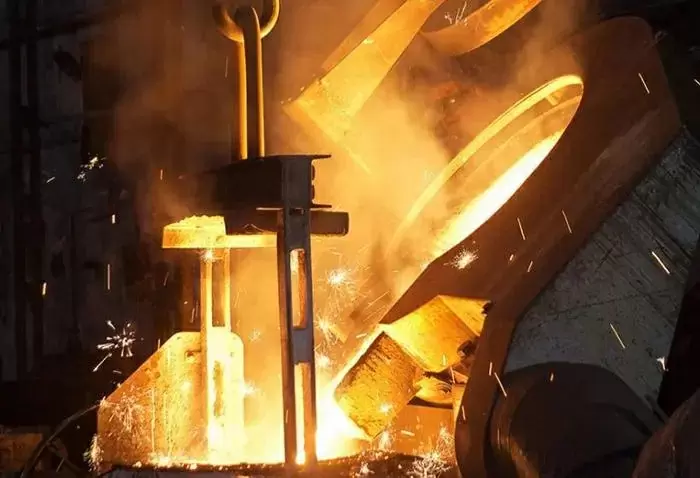
Heating the workpiece to an appropriate temperature, adopting different holding times according to the material and the size of the workpiece, and then cooling slowly, the purpose is to make the internal structure of the metal reach or approach the equilibrium state, obtain good process performance and use performance, and realize the release of material stress and increase Material ductility and toughness, produce special microstructure, optimize surface brightness and other effects.
Normalizing
After the workpiece is heated to 30-50°C above the critical temperature, it is kept for a period of time and then cooled in still air. The cooling rate of normalizing is faster than that of annealing, and it is often applied to metal materials with lower carbon content and lower hardness.
Quenching
After the workpiece is heated and kept warm, it is rapidly cooled in quenching media such as water, oil or other inorganic salts, organic aqueous solutions, etc., to improve the hardness and strength of metal materials
Tempering
It is a metal heat treatment process that reheats the quenched workpiece to an appropriate temperature below the critical temperature, and then cools it in air or water, oil and other media after a period of heat preservation to increase the toughness of the metal material
Related Posts
- ▶ ArcelorMittal Plans Mexico Steel and Mining Expansion by 2029
- ▶ Nucor Raises Hot-Rolled Coil Price to $1,230 per Tonne
- ▶ Nucor Raises Hot-Rolled Coil Price to $1,210 per Tonne
- ▶ India Secures 1.64M-Tonne Annual EU Steel Quota Under FTA
- ▶ Brazilian Pig Iron Prices Stabilise at $475/t
- ▶ China Manufacturing Steel Demand to Rise 3.3% in 2026
- ▶ U.S.-Canada Steel Tariff Deal May Cut Rates to 25%
- ▶ Pakistan Links Steel Industry Sales Tax to Electricity Bills
- ▶ Saudi Arabia sets five-year AD duties on Indian cast iron pipes and hollow tubes
- ▶ Germany Steel Product Sales Up 7.9% in June 2026
Online Message


Chat Online
By clicking 'Allow All', you agree to the storage of cookies on your device to enhance site navigation, analyze site usage and assist with our marketing efforts.