
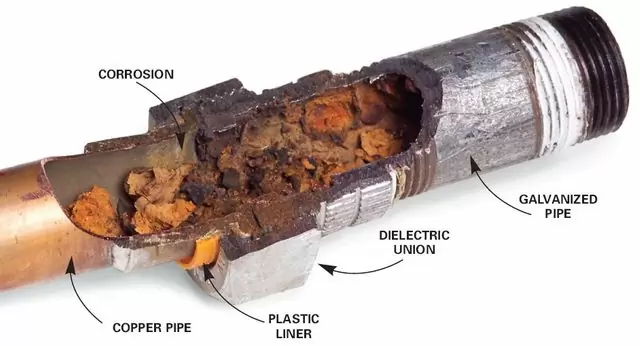
WHAT ARE GALVANIZED PIPES?
Galvanized steel pipes, also known as black steel pipes, are metal tubes that consist of carbon and iron. Other elements like silicon and manganese can be included in the ingredients depending on the purpose and desired performance (and price) of the finished product.
Zinc is commonly used to galvanize or coat these metal tubes. The galvanizing process of steel pipes involves immersing the metal tubes into a bath containing molten zinc at 450 degrees Fahrenheit. After several minutes, the hot-dip galvanizing process is complete and the end product is referred to as an EN (Euro Norm) or ASTM (American Society for Testing and Materials) standard depending on where it is made.
Types of galvanizing processes for plumbing pipes
There are many different types of galvanizing processes depending on the desired results or performance of the finished product. The most popular methods include hot-dip galvanizing, electroplating, mechanical plating, and plastic coating.
Hot-dip galvanizing is currently considered to be one of the best ways to galvanize steel pipes due to its durability and corrosion resistance. The method involves immersing the metal into a bath of molten zinc in 450 degrees Fahrenheit. This process is completed when the steel tube (or EN (Euro Norm) or ASTM (American Society for Testing and Materials)) standard material is coated with approximately 30 to 40 microns of pure zinc.
Electroplating is another popular way to galvanize steel tubes due to its high-quality finish and relatively cheap cost compared to other methods such as hot-dip galvanization. Electroplating uses electrical currents in order to deposit a thin layer of chromium, nickel or zinc on top of an already existing metal surface.
Mechanical plating, also called mechanical polishing, is a low-cost alternative that involves adding a thin layer of zinc using an abrasive blasting (shot peening) method. This type of galvanizing process is not as popular due to its lower quality finish and tendency to flake or peel off.
Plastic coating is the least-used method for galvanizing steel tubes since it has limited functionality and poor corrosion resistance.
Applications for galvanized steel pipes
Once galvanized, these metal pipes can be used for many different purposes such as: water pipes, gas pipes, chemical pipes, sanitary pipes, HVAC pipes, and industrial pipes. They are often used in building construction and water supply system developments because they are very durable and last longer than other types of pipes such as PVC (polyvinyl chloride) or copper pipes.
A common application for galvanized steel pipe is in water and gas systems in building structures. Because steel pipe resists corrosion, it is ideal for plumbing and HVAC (heating, ventilation, and air conditioning) applications that require durability. They also make excellent chemical pipes because they can withstand high levels of corrosion and rust better than other types of pipes.
Benefits of using galvanized steel pipes
There are many benefits to using galvanized steel pipes, such as excellent corrosion resistance, lower cost compared to other materials such as PVC (polyvinyl chloride) or copper, high durability and strength, and efficient heat transfer properties. Since they are not susceptible to corrosion or rust, these metal pipes can be used in both indoor and outdoor applications. They are lightweight and easy to install, flexible enough to go around corners with ease, yet strong enough to withstand a beating from earthquakes or extreme weather conditions.
Can galvanized steel pipe be used for water?
Yes, galvanized steel pipe can also be used in water supply systems although they are mainly used for cold supply. Like other metal pipes, hot-dip galvanized steel water lines may release some chemicals or heavy metals into the air or water due to corrosion. While this doesn’t pose a big issue when it comes to cooking purposes, it still poses a risk.
Is galvanized steel pipe safe for drinking water?
This is a complicated question that depends on the type of galvanized steel pipes used, how they’re installed, and how long you’ve had these metal tubes. Since all types of hot-dip galvanized steel piping contain zinc (which can leach into water), it’s likely for these metal lines to release some chemicals or heavy metals into the water. While it’s generally safe to consume water from galvanized steel pipes, these tubes may pose a risk for people with prolonged exposure such as those living in close proximity or for families that use hot-dip galvanized steel water lines for extended periods of time (more than 2 years).
Can galvanized steel pipe be used for natural gas?
Yes. Hot-dip galvanized steel piping is the preferred choice for natural gas systems because it cannot corrode, rust, or expand in temperature which can lead to wasted energy. It’s also easy to install and lightweight enough to bend around corners without splitting or deforming (although this seems like an impossible task).
Related Posts
- ▶ ArcelorMittal Plans Mexico Steel and Mining Expansion by 2029
- ▶ Nucor Raises Hot-Rolled Coil Price to $1,230 per Tonne
- ▶ Nucor Raises Hot-Rolled Coil Price to $1,210 per Tonne
- ▶ India Secures 1.64M-Tonne Annual EU Steel Quota Under FTA
- ▶ Brazilian Pig Iron Prices Stabilise at $475/t
- ▶ China Manufacturing Steel Demand to Rise 3.3% in 2026
- ▶ U.S.-Canada Steel Tariff Deal May Cut Rates to 25%
- ▶ Pakistan Links Steel Industry Sales Tax to Electricity Bills
- ▶ Saudi Arabia sets five-year AD duties on Indian cast iron pipes and hollow tubes
- ▶ Germany Steel Product Sales Up 7.9% in June 2026
Online Message


Chat Online
By clicking 'Allow All', you agree to the storage of cookies on your device to enhance site navigation, analyze site usage and assist with our marketing efforts.